

From One Pilot to Campus-Wide Demand
The Texas A&M distance learning model SIs should study
How one business school’s studio success is generating organic referrals across an entire university
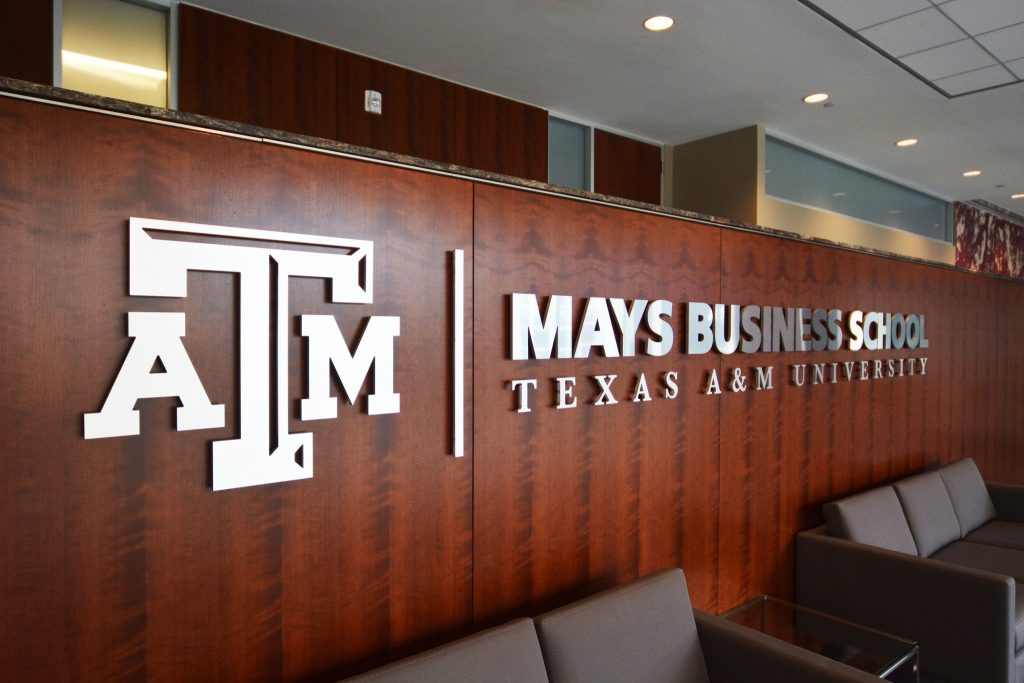
When Jeff Jones took over distance learning at Texas A&M’s Mays Business School, he inherited a familiar problem. The rooms designated for virtual instruction had fluorescent ceiling lights, no dedicated production infrastructure, and faculty who looked, in Jones’s words, “like ghosts” on camera. It was the kind of setup that makes professors wonder why they shouldn’t just teach from home.
What happened next offers a lesson for system integrators looking to build sustainable business in the education sector. Jones didn’t just fix one room. He created a model that now has other departments across the university asking questions.
“The Bush School and libraries are asking ‘How are y’all doing this? How are y’all lighting this? How are y’all making these studios affordable?'”
That kind of organic demand is exactly what turns a single project into a pipeline.
The infrastructure reality in higher education
Educational institutions present specific challenges that can derail projects if you’re not prepared for them. Texas A&M’s business school operates in leased space, which meant permanent electrical modifications were off the table. Traditional studio lighting would have required permits, coordination with landlords, and the kind of timeline uncertainty that erodes margins and strains client relationships.
Fire code compliance adds another layer. As Daniel Napier, who works with education clients regularly, puts it:
“Fire marshals will rip out any floor-based extension cables. PoE is the safe option—low voltage, it’s music to their ears.”
Then there’s the operational question. Universities rarely have dedicated broadcast engineers on staff. Any solution has to work for people whose primary job isn’t managing AV equipment.
The Texas A&M project, implemented by Texas Film Gear, addressed all three constraints by building around Power over Ethernet lighting that runs on existing network infrastructure. No electrical permits. No fire code concerns. And a control system that non-technical staff can operate after reasonable training.
What the implementation looked like
The business school now operates nine distance learning studios. Each one uses PoE lighting arrays controlled through Cytus Pro software, with black backdrops that provide versatility for different types of content. The setup protocol takes about 30 minutes, with lighting customized for each presenter’s specific needs.
What’s notable about the operational model is who’s running it. Jones staffed his team with what he calls “instructional technologists”—people from backgrounds you might not expect. Former teachers. A makeup artist with marketing experience. Customer support specialists. IT professionals. None of them came from broadcast engineering.
“If I can do it, anybody can do it,” – Jeff Jones
The two-week training protocol, with shadow and mentor systems, gets new staff operational quickly. That matters for institutions that can’t afford to hire specialists for every role.
The numbers that matter for proposals
Nine studios operational. Zero electrical permits required. Reduced construction costs by using network drops instead of new electrical runs. Faculty satisfaction increased dramatically after years of complaints about looking unprofessional on camera. Students, according to Jones, are “wowed by the product.”
The business school is already planning the next phase: converting eight of the nine studios to extended reality stages by 2029. That’s not just a follow-on project—it’s a roadmap for how successful implementations generate expansion opportunities.
“The lighting did the speaking for me, once we had two studios, the story spoke for itself.” – Jeff Jones
Where this fits in the bigger picture
Texas A&M isn’t an isolated case. Gwinnett County Public Schools in Georgia is deploying over 40 broadcast studios across their district using similar PoE infrastructure, avoiding six to twelve months of permitting delays at each location. Orange County Public Schools in Florida, with 197 schools in their system, has been building out Ikan-equipped studios since the company’s founding. The University of Missouri completed a full studio installation during a five-day Thanksgiving break—a timeline that would be impossible with traditional electrical requirements.
The pattern is consistent: PoE technology removes infrastructure barriers, standardized configurations reduce design time, and successful implementations generate internal referrals. When one department looks good on camera and another doesn’t, conversations start.
There’s also the downstream effect to consider. Business schools are preparing students who will eventually make technology decisions at their own organizations. Jones frames it explicitly:
“Corporations are going to need this technology, and the fact that you’re training the future MBAs to make those decisions… They want this fidelity as they go into their work, and they’re going to want to bring that expectation of what you’ve shown them into their next job.”
For integrators thinking about where to focus, that’s a long-term market signal worth paying attention to.
The partnership angle
Projects like Texas A&M work because the technology fits the constraints and the implementation partner understands the environment. Texas Film Gear brought the local expertise; the PoE infrastructure eliminated the variables that typically introduce risk.
For SIs evaluating educational opportunities, the question isn’t whether institutions need better video production capabilities. They do. The question is whether you can deliver on time, within the constraints they’re working under, with solutions their non-specialist staff can actually operate.
When you get that right, the referrals take care of themselves.